
Last Updated on 3 August, 2022 by Cara Sutra
How To Use Menstrual Cups: Why You Should Try Mooncups!
Menstrual cups (also known as Mooncups, Diva Cups & Period Cups) tend to get two contrasting reactions from the women I’ve spoken with. There’s the vehement & judgemental: “ewww, no I just couldn’t… anyway, aren’t they a hippy thing?” Or the seasoned menstrual cup user: “YES! Every woman should use them, they’re awesome”.
Despite going back to the familiarity of tampons after my last baby, I do think menstrual cups are a pretty nifty invention. In fact, I’ve recently been using these accessories again regularly. On the rare occasion I’ve had leakage or any other issue, it’s been because I haven’t positioned it correctly, or I’ve been wearing the wrong size cup.

 |
 |
Shop: USA | UK | Europe | Canada | Australia | New Zealand
Menstrual cups are shaped, unsurprisingly, like a cup. By bending and inserting it into the vagina (the C-fold is the way I do it – video later in this post), the menstrual cup opens out to fit and seal over the cervix opening. Then, during your period, the blood is collected within the menstrual cup. This blood is poured then flushed down the loo whenever you’re ready. There’s a small stem or node at the bottom of menstrual cups to make locating and removing it hassle-free.
Menstrual Cups Benefits
1. They’re Eco Friendly
 According to the Women’s Environmental Network, 11,000 disposable menstrual products are used by each woman in the UK during her lifetime. Over 200,000 tonnes of waste is caused by this – by the tampons, pads and panty liners used – which ends up in landfill.
Well, not all of it ends up in landfill; in 2010 a UK beach clean found an average of 23 pads and 9 tampon applicators per kilometre of British coastline.
Menstrual cups obviously contribute to landfill and environmental waste on a much, much smaller scale. In fact, as menstrual cups are made from silicone, you should check whether they’re recyclable once they’ve outlived their use with you. With proper care a good menstrual cup should last you for years, but once you do reach that point check with your local recycling centre about recycling silicone items.
2. Silicone Cups Are 100% Vegan
 Menstrual cups made with surgical grade silicone are completely vegan, so the Mooncup, Diva Cup, Lunette and Fun Factory FUN Cups are all vegan-friendly.
Note: Sometimes casein (a milk protein) is used in the production of latex so in the (unusual) event of a latex rubber menstrual cup it’s wise to check with that particular manufacturer.
3. They’re Made With A Body Safe Material
Most menstrual cups are made from silicone, a flexible, body-safe material. On the other hand, there are various concerns about sanitary towel and tampon materials.

Towels, and tampons in particular as they’re used internally, can present various risks from a chemical point of view. These disposable period products can contain things like latex, BPA, dye and bleached rayon (which can create the possibly carcinogenic byproduct dioxin – also, it’s bleach!).
If you use tampons you’ll have heard about TSS (Toxic Shock Syndrome). There is a risk of contracting TSS for everyone who uses tampons, which can be increased by leaving the tampons inside too long. Also, if you’re pulling out tampons which are dry in any way, tiny bits of cotton can cause small tears in the vaginal walls – which is the perfect breeding ground for the TSS-causing bacteria. Scary.
4. You Save A Ton Of Money
 If I spend £5 a month on period products, that’s £60 a year. £10 a month? Say, if you buy a couple boxes tampons, some back up pads and some panty liners? £120 a year.
I started my period at age 11. If I have my period until I’m 60 that’s 49 years.
49 x £60 = £2,940
49 x £120 = £5,880
That’s thousands of pounds during my period-having lifetime spend on disposable period products, not to mention the damage I’m inflicting on the environment as we learned earlier.
In comparison, a menstrual cup typically costs between £15 and £20, and with correct use and care can last for several years.
5. I’m More In Tune With My Body, And My Period
 When using a menstrual cup I feel more aware of my period, but not in a bad way. Where tampons soak up the menstrual blood inside and attempt to dam the flow by acting as a sponge, a menstrual cup isn’t trying to stop anything. It’s like a safe, mess-free way to practice ‘free bleeding’.
And I do feel free when using a menstrual cup; the blood is able to flow into the cup and it all feels very natural and comfortable.
In addition, I’ve found that by using menstrual cups my period doesn’t last as long as when I’m using the dam-up-that-flow tampon option, and my cramps have lessened over the months of using cups too. Win.
6. They Have A Large Volume Capacity
 Whereas a regular tampon holds about 5ml of liquid and super/maxi pads hold about 10ml, menstrual cups have a much larger volume capacity.
I am using the Fun Factory FUN Cups Explore Kit right now, and size A holds 20ml and size B holds a maximum of 30ml of blood.
This means that you don’t have to ‘go change’ as often, ie. empty/reinsert the menstrual cup. They can last through the night easily, and you have less out-and-about ‘period in a public loo’ moments.
7. No More ‘Dry Tampon’ Issues
 If you’ve ever used tampons it’s likely you’ll know what I’m talking about here. When your period flow isn’t as heavy as you’d imagined, or you have to remove the tampon before it’s full of liquid (say, before sex), you can experience the excruciating pain from removing a dry tampon. It’s really very unpleasant.
Removing dry tampons isn’t just painfully chafing, but this can cause those vaginal tears which could lead to a greater risk of contracting TSS, or another type of vaginal infection.
8. You Can Have Sex While Wearing One
 When wearing a menstrual cup you can carry on with everyday activities – even more so than with sanitary towels or tampons, I find. You can go to the loo without removing it (you wee through your urethra, not your vagina), and the blood isn’t ‘out’ like it is with sanitary towels (a common reason for opting for tampons). The main bonus for me, though, is that I can have sex with one inside.
I must interject here that there’s nothing bad or gross about period sex – if you enjoy sex any time of the month and don’t care about your/their menstrual blood, then brilliant. For you. I find the presence of menstrual blood during sex not just a jolt out of the eroticism, but annoying. There’s the practicalities of it getting on the sheets – and, depending on force of the flow, possibly elsewhere. Removing a tampon before sex isn’t the sexiest form of foreplay for me, either.
These are just 8 benefits of using menstrual cups, but the exact benefits to your life will only be revealed when you take that first step and give them a go. I’m sure most people reading this would love to contribute less to landfill, less damage to the environment and save a bit of cash into the bargain too. And just think: no more dry tampon moments!
Beginner’s Tips For Using Menstrual Cups
It can take a few cycles to get used to inserting and using menstrual cups as your period product, but once you’re in the swing of using them you look back and wonder why you ever went the disposables route.
 For the first month, stick with having your usual products as backups, and for when you’re out of the house, and just practice with your menstrual cup in your home environment. Build up your confidence in menstrual cups and give yourself time to realise which techniques work best for you – and how your body bleeds, when allowed to do so naturally.
When venturing out and about with your menstrual cup in place, just do short trips at first, while taking your backups out with you ‘just in case’. By this point you’ll have learned how to correctly insert and position your menstrual cup so there should be very little risk of leakage, but it’s a confidence boost to carry some spares.
Video: Folding a menstrual cup ready for vaginal insertion
By the third month you should be well-versed in using your menstrual cup and you can start relying on it more heavily when your period comes around. It won’t be long before you realise it’s been ages since you bought any disposable period products, and the joy of using menstrual cups can really begin.
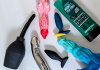
Shop for period cups & intimate accessories:
|
|
Shop: USA | UK | Europe | Canada | Australia | New Zealand

Contains affiliate links