Last Updated on 5 October, 2022 by Cara Sutra
How To Check Your Breasts Properly
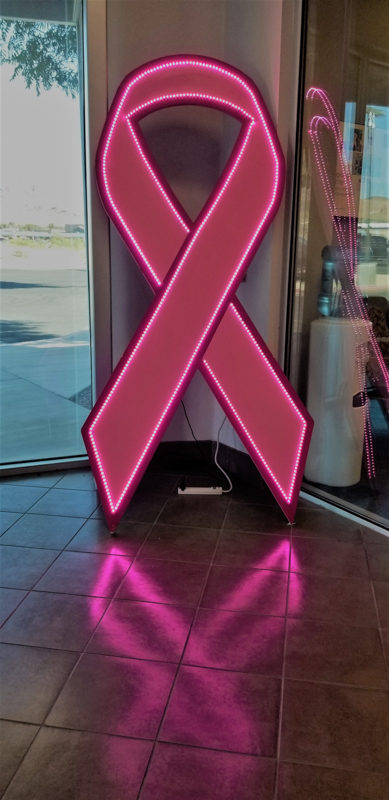
More than 55,000 people are diagnosed with breast cancer in the UK every year. According to Cancer Research UK, this equates to over 150 new cases every single day. Out of those diagnosed with breast cancer this year, 11,500 will sadly not survive. Learning how to check your breasts properly could be a lifesaving skill. October is Breast Cancer Awareness Month – but checking your breasts regularly should be a priority all through the year.
Breast Cancer Stats
 Let’s look at some facts and figures.
- Breast cancer is the most common cancer in the UK, accounting for 15% of all new cancer cases. It is the 4th most common cause of cancer deaths in the UK; 7% of all cancer deaths in this country stem from breast cancer.
- 85% of women diagnosed with breast cancer survive it for 5 years or more, with the survival rate for 10 years or more dropping to just under 76%.
- 23% of cases are preventable.
Know Your Breasts
We’d all probably recognise our own breasts in a line-up, but how well do you really know your breasts? It’s a good idea to become intimately familiar with every part of your breasts, their feel as well as their appearance.
Knowing your breasts, what is normal for you and what isn’t, is an important first step when learning to check your breasts properly. There is no hard and fast, right or wrong way to check your breasts, the main thing is that you know what is normal for you and what definitely isn’t.
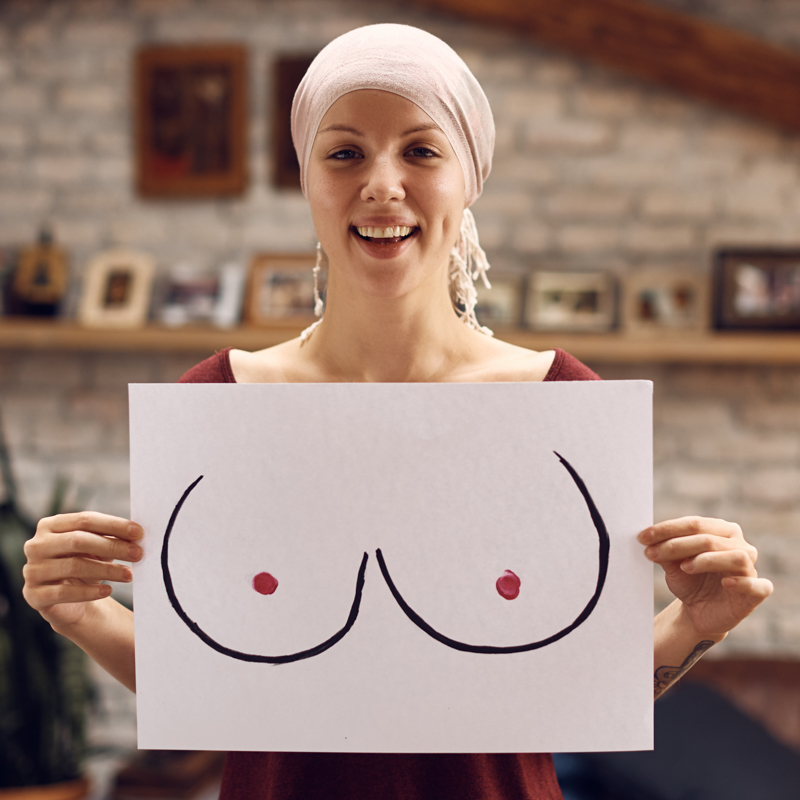 Whether you check your breasts in the shower or in bed at night, take the time to examine yourself thoroughly and understand the different textures in each breast. It’s important to note that if you have a menstrual cycle, your hormones may affect how your breasts feel and present at different times of the month.
Having kept a diary noting the differences in my breasts before, during and after my period, I know that they naturally change and feel different throughout. Again, the main focus when checking your breasts is picking up something which isn’t normal for you -so first, you need to know what is normal for you, despite any hormone fluctuations.
Spotting abnormalities quickly means you can act on them fast, giving yourself the best possible chance of successful treatment if required.
When To Examine Your Breasts
Now that I know my breasts, I check them a few days after my period starts. This means they’re less tender and any pre-menstrual swelling, lumps and aches have abated. If you don’t have periods, perhaps set a diary reminder, for example the 1st of the month, so you don’t have to rely on memory.
Checking your breasts regularly is important for everyone, but especially so if you have a family history of breast cancer. Previous incidences of breast cancer in your family can be an indication of the BRCA gene mutation, which dramatically increases the ring of breast and ovarian cancers. Typically, two close family members much have been diagnosed with the same type of cancer before you qualify for genetic testing, however other factors may be considered such as age.
For more information and advice about genetic testing for breast cancer, get in touch with the advisors at the National Hereditary Breast Cancer Helpline (telephone 01629 813000).
What To Look for When Checking Your Breasts
Now that you’ve become properly acquainted with your breasts, and check them regularly, the next step is to know exactly what you’re looking for. It’s important to know what you should be concerned about and when you should visit the doctor for further tests.
When examining yourself look for changes to the breast and surrounding tissue, such as:
 Changes in shape or size of the breast
- Changes to the nipple, (and) or the direction it faces
- Discharge from the nipple
- Rashes on the breast or around the nipple
- Strange lumps or a thickening of the skin that feels different from the rest of the breast
- Swelling in the armpit or around the collarbone
- Pain in the breast or armpit
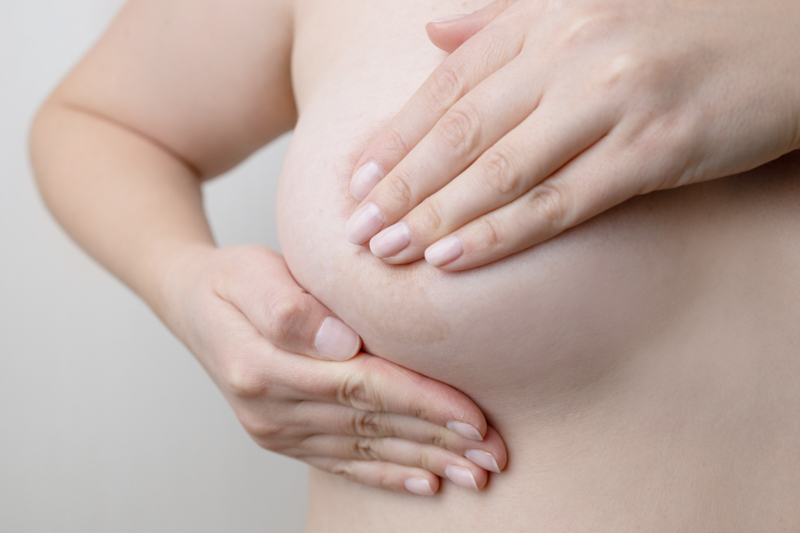
How To Properly Check Your Breasts
Despite saying that there’s no right or wrong way to check your breasts, and that the important thing is to know what is and isn’t normal for you, you may find a step-by-step guide to checking your own breasts helpful and reassuring.
A great way to start is by take off your top and looking at yourself in the mirror. Familiarise yourself with the size and shape of your breasts so any changes become apparent. Although I’m using the term ‘checking your breasts’ in this guide, you should also examine under the armpit and right up towards the collar bone as this area also contains breast tissue.
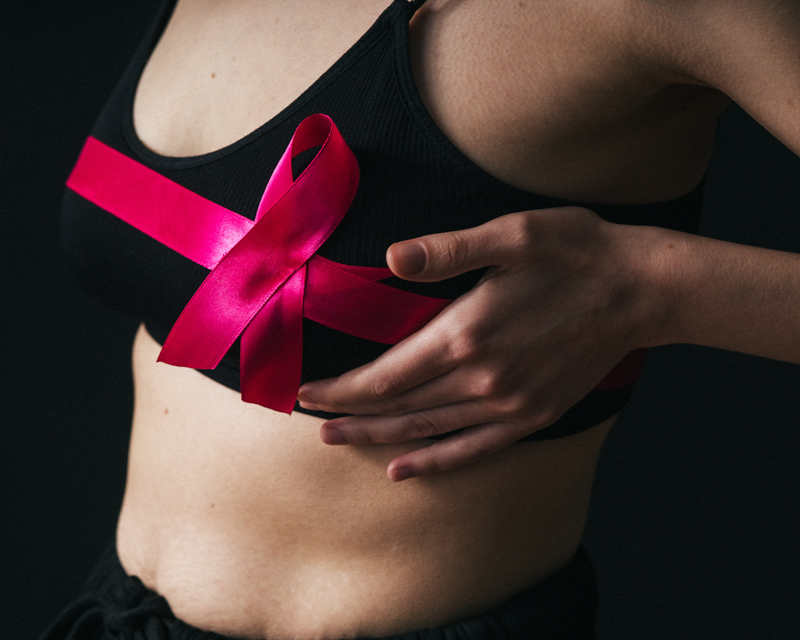 Put your hands behind your head and look for changes in the breasts, like puckering or unusual dimpling to the skin. After that, put your hands on your hips and check again, taking great care to look at the sizes and shape of the breast.
Next, lie down on the bed so that your breasts are flat. Flattening the breasts makes anomalies more apparent and helps lumps to stand out. Place your left hand behind your head and use the 3 middle fingers on your right hand to feel for any lumps under the tissue of your left breast. Use your fingers to slowly move down from the collar bone, down the full breast and across to the armpit. Move up and down the breast and increase firmness for deeper tissue.
Once the first breast is complete, repeat this for the other breast with your alternate arm above your head.
How To Check Your Breasts Video
Here is a great video detailing what to look out for when checking your breasts, from Coppafeel:
Does Breast Cancer Only Affect Women?
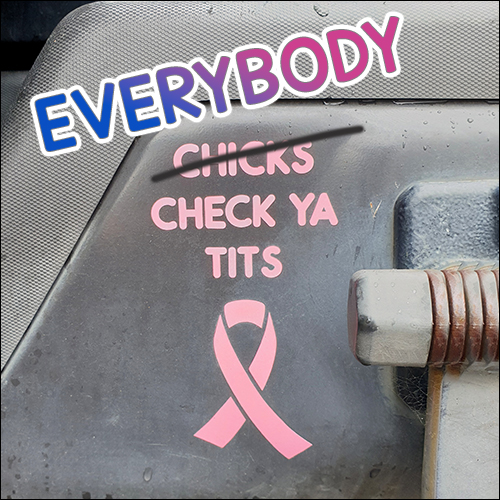 Everyone has breasts… well, breast tissue. It doesn’t matter what gender you are, anyone could potentially contract breast cancer, so it’s important that everyone is familiar with their breasts/breast tissue area so that any abnormalities can be double checked, and breast cancer ruled out.
Around 350 AMAB (assigned male at birth) people are diagnosed with breast cancer in the UK every year, which equates to about 1% of all cases [source].
Everybody: check your breasts regularly!
What To Do If You Find a Breast Lump
If you do find a lump or other abnormality in your breast, firstly, don’t panic. 80% of breast lumps are found to be harmless, but you do need to be seen by a doctor to ensure that this true in your case. Advances in technology mean that these examinations are now faster and less invasive, which means that it won’t take long to get the reassurance you need.
Remembering To Check Your Breasts
Technology is also invaluable when it comes to reminding us about the increasing number of things we need to remember daily. I certainly couldn’t cope without the various alerts on my phone, linked to my online calendar. Therefore, it makes sense to use the same tech to remind you to check your breasts regularly. Set a monthly calendar reminder on your phone -or why not download a breast checking app?
There are some fantastic breast-check reminder apps available, including:
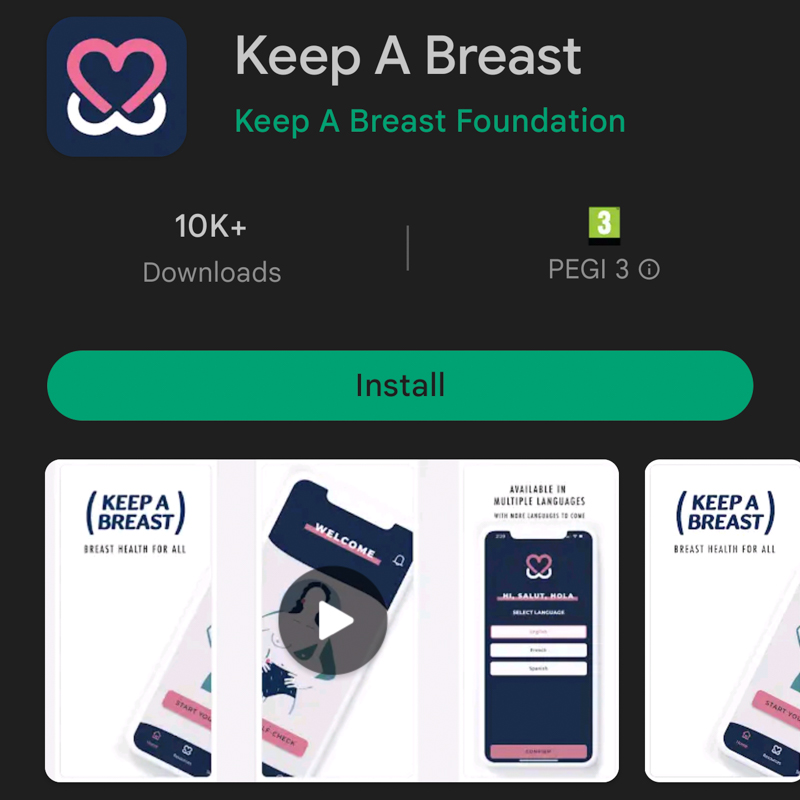
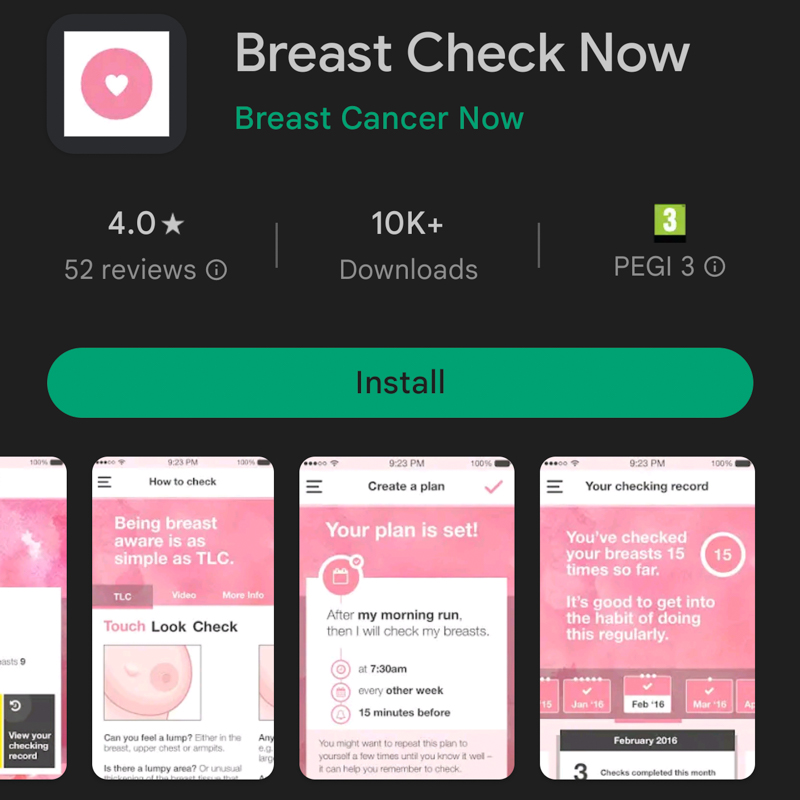

Each of these apps schedules a time each month to remind you to check your breasts, so staying on top of your examinations couldn’t be easier. They also contain useful information about treatment and advances in breast health and care.
If you’d prefer monthly text reminders, you can sign up for these at Coppafeel.
For More Information
If you’d like more information and advice about spotting the early signs of breast cancer, call the Breast Cancer Care Support Helpline on 0808 800 6000 and speak to an expert. The helpline is free to call from all UK landlines and mobiles. It’s open Monday to Friday 9am till 4pm, and Saturdays from 9am till 1pm.
 Sources